
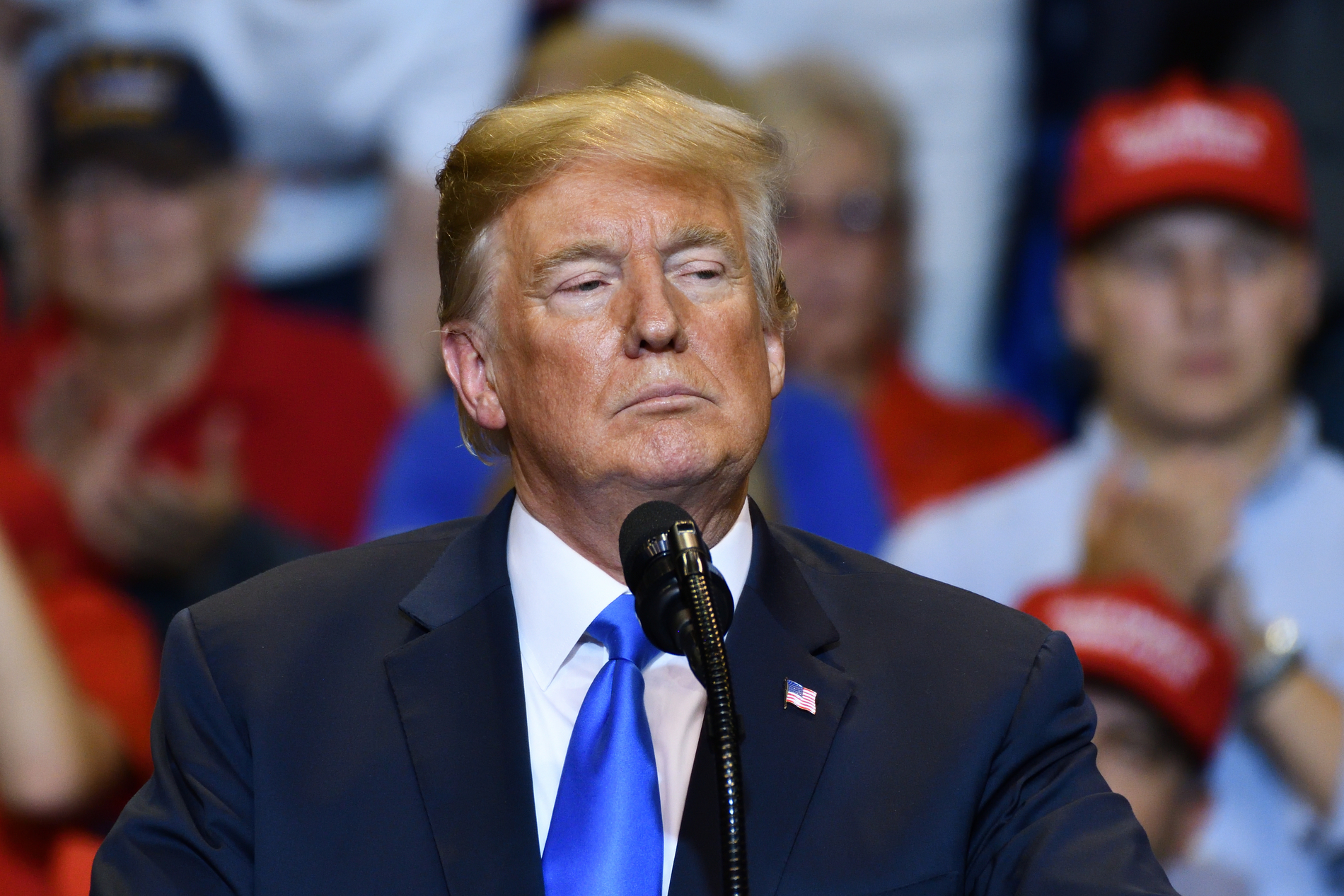
Credit: Shutterstock
Weekend policy shift revives trade uncertainty and unsettles investors
Just days after markets found relief in a Supreme Court ruling that blocked earlier emergency tariffs, trade tensions resurfaced sharply over the weekend. Between February 21 and 22, President Trump announced a new global tariff plan, initially set at 10 percent and then quickly raised to 15 percent, effective immediately. Additional levies were also hinted at, signaling that this move may be only the beginning.
The sudden escalation reversed much of the optimism that had settled in at the end of the prior week and reintroduced familiar concerns around inflation, supply chains, and global trade stability.
A Swift Policy Turn
The speed of the announcement caught markets off guard. After the Supreme Court decision eased fears around emergency tariff powers, investors assumed near term trade pressure had diminished. Instead, the weekend move showed how quickly policy risk could return under a different structure.
By raising tariffs to 15 percent almost immediately, the administration sent a clear message that trade measures remain an active tool. The lack of a transition period or detailed guidance added to the uncertainty, leaving businesses and investors scrambling to assess exposure.
Why the Ruling Did Not Fully Protect Markets
While the Supreme Court ruling limited earlier versions of emergency tariffs, it did not remove all avenues for trade action. The new plan appears to operate under a different framework, allowing tariffs to move forward despite the court’s decision.
This distinction mattered greatly to markets. What had felt like clarity earlier in the week now appeared temporary. The shift highlighted how legal constraints can slow policy but not necessarily eliminate it.
Sectors Feeling the Pressure
Importers and retailers were among the first areas of concern. Higher tariffs raise costs on goods entering the country, which can squeeze margins or push prices higher for consumers. Companies dependent on global sourcing may face difficult decisions around pricing, inventory, and supplier relationships.
Supply chains are also back in focus. Many businesses spent years stabilizing operations after prior trade disruptions. Renewed tariff pressure threatens to undo that progress and introduce fresh complexity at a time when inflation remains a sensitive issue.
Inflation Fears Reignite
Tariffs often act as indirect taxes, and the renewed increase revived inflation worries that had recently cooled. Higher import costs can ripple through the economy, affecting everything from consumer goods to industrial inputs.
For investors watching Federal Reserve policy closely, this adds another layer of uncertainty. Trade driven inflation could complicate the central bank’s path and influence future rate decisions.
Market Sentiment Turns Cautious
The timing of the announcement mattered. It arrived during a period when traders were already cautious, weighing mixed economic data and upcoming Fed signals. The weekend escalation shifted the tone from measured optimism back to defensive positioning.
Rather than dramatic immediate moves, markets appeared to brace for reassessment. The focus turned toward risk management, sector exposure, and how aggressively tariffs might expand in the coming weeks.
What Comes Next
Investors are now watching for details. How broad will the tariffs be. Which goods and regions will be affected next. Will exemptions or adjustments follow. These questions will shape market reaction more than the headline number alone.
Businesses, meanwhile, may pause investment decisions until there is greater clarity. Uncertainty tends to slow momentum, even before direct financial impacts are fully felt.
Final Thoughts
The weekend tariff hike served as a reminder that trade policy remains a powerful and unpredictable force. Just as markets adjusted to one source of relief, another wave of uncertainty arrived.
For now, investors and companies alike are back in a familiar position. Watching closely, recalibrating expectations, and preparing for a period where policy headlines once again carry significant weight.