
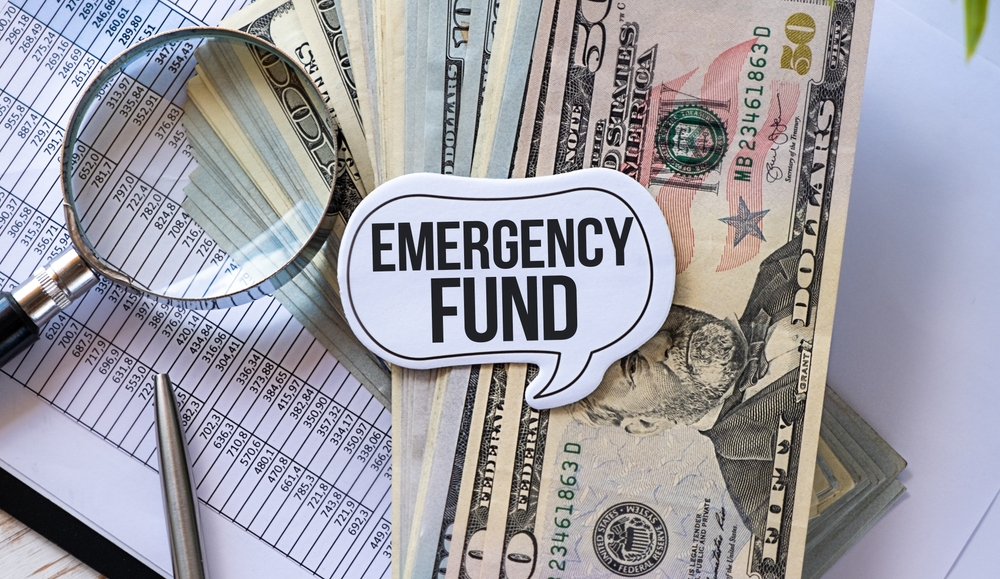
Credit: Shutterstock
2025 isn’t exactly handing out financial peace of mind on a silver platter. Between rising living costs, unpredictable job markets, and an economy that still feels like it’s riding a rollercoaster, many of us are walking a financial tightrope. And if there’s one safety net that everyone should have right now, it’s an emergency fund.
What Is an Emergency Fund Anyway?
An emergency fund is a stash of money set aside strictly for unexpected expenses. Think of it as your personal financial airbag—it’s there to soften the blow when life throws a curveball. That could be:
-
A surprise medical bill
-
A sudden car repair
-
A job loss or reduced income
-
Emergency home repairs (hello, burst pipes)
It’s not for last-minute concert tickets, flash sales, or vacations. As tempting as that may be.
Why It’s More Important Than Ever in 2025
Here’s why having an emergency fund in 2025 isn’t just smart—it’s essential:
1. Rising Cost of Living
Inflation may have cooled slightly since its 2022–2023 peak, but prices are still climbing. Groceries, rent, healthcare—nearly everything is more expensive than it was a few years ago. A $500 emergency doesn’t go nearly as far today. That means you need a bigger cushion just to weather the same storms.
2. Job Market Uncertainty
Despite low unemployment rates in many regions, layoffs in tech, media, and retail have continued into 2025. Gig workers and freelancers are especially vulnerable to fluctuating income. An emergency fund buys you breathing room between jobs or during slower months.
3. Interest Rates Remain High
Interest rates are still elevated as the Fed continues its efforts to curb inflation. That means borrowing money—whether through credit cards or personal loans—is more expensive. Having cash on hand can save you from going into debt during a crisis.
4. More Extreme Weather Events
Let’s not ignore climate change. Storms, floods, and heatwaves have been making headlines—and hitting wallets hard. Insurance helps, but it rarely covers everything. Emergency funds can bridge the gap when disaster strikes.
How Much Should You Save?
A good rule of thumb is to aim for three to six months’ worth of living expenses. But if that feels out of reach, start smaller. Even having $500 to $1,000 saved can make a huge difference in a pinch.
If you’re just getting started, try this:
-
Set a monthly goal ($50 to $100 works great)
-
Keep the fund separate from your regular checking account
-
Use a high-yield savings account to earn a bit of interest (some offer 4.5%+ as of mid-2025)
Tips for Building Your Emergency Fund Faster
-
Automate Your Savings – Treat it like a bill. Set up auto-transfers every payday.
-
Use Windfalls Wisely – Tax refunds, bonuses, birthday cash? Send a chunk to your fund.
-
Cut Just One Thing – Cancel that unused subscription or reduce one weekly takeout meal and redirect the savings.
-
Start a Small Side Hustle – Even $50/week from freelancing or deliveries can add up quickly.
Peace of Mind Is Priceless
It’s easy to underestimate the power of an emergency fund—until you need it. It turns chaos into inconvenience. It gives you the confidence to make smarter decisions under pressure. And in a world that feels more unpredictable by the day, that kind of peace of mind is worth every penny.
So, if you’ve been putting off building your emergency fund, 2025 is the year to finally make it happen. Start small, stay consistent, and remember—you’re not just saving money. You’re buying freedom.