
Credit: Shutterstock
Markets on edge as Trump sets Tuesday deadline for Iran to reopen Strait of Hormuz
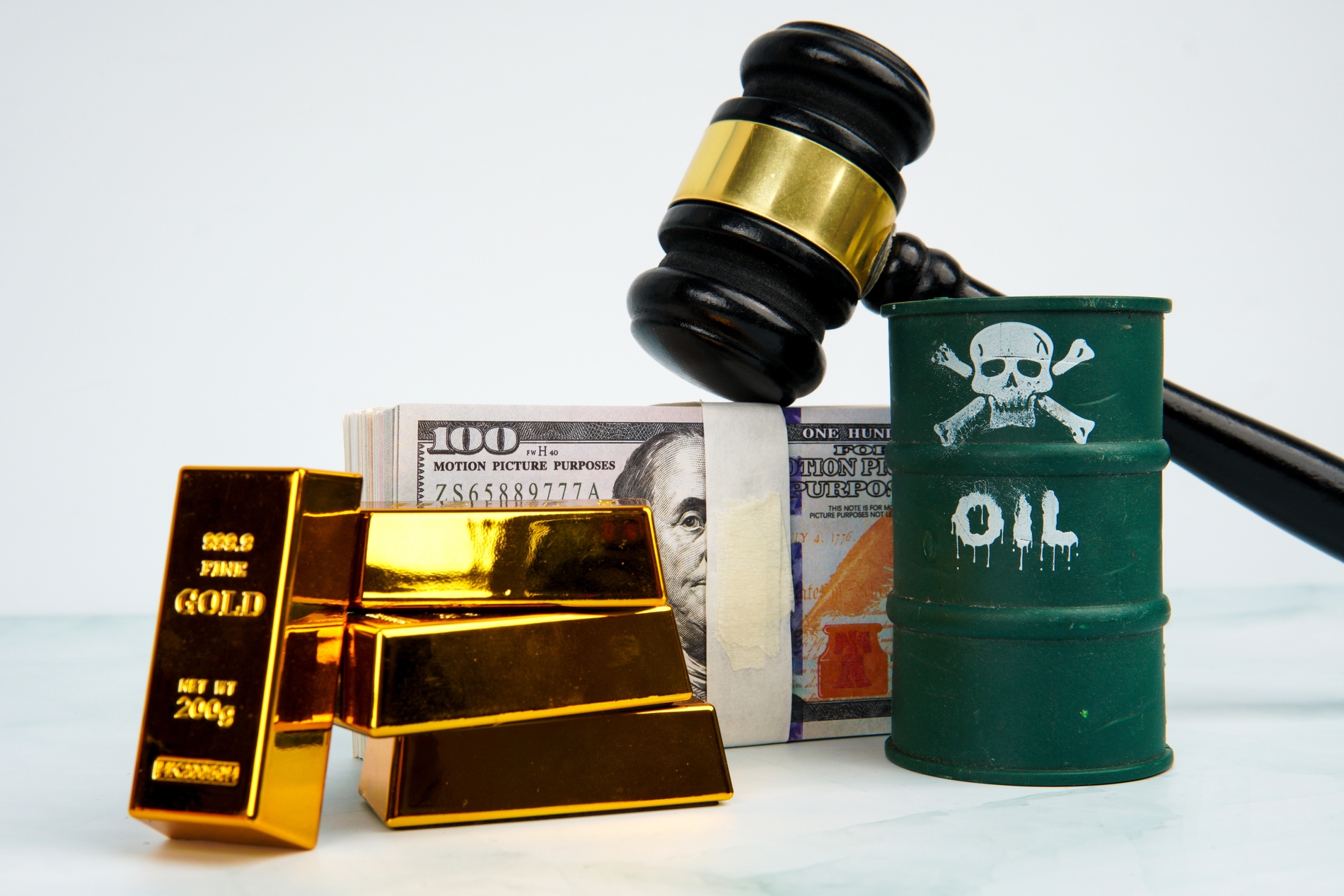
Gold prices dropped and the U.S. dollar stayed strong on Monday after an American jobs report crushed hopes of an interest rate cut, while the world watched nervously as tensions between the United States and Iran continued to boil over.
Gold fell 0.4% to $4,658.90 per ounce. At the same time, the dollar gained ground on the back of Friday’s strong employment numbers. Trading was quieter than usual, with many markets in Asia and Europe closed for the Easter holiday.
Moreover, the U.S. added more jobs in March than at any point since December 2024, and the unemployment rate dropped to 4.3%. That kind of strong data usually means the Federal Reserve will keep interest rates high, which is bad news for gold, since higher rates make the dollar more attractive compared to the precious metal.
“Strong jobs data has made central banks more cautious about cutting rates, while rising oil prices are adding to inflation fears — both of which are working against gold right now,” said Tim Waterer, chief market analyst at KCM Trade.
Investors had been expecting two Fed rate cuts this year. Now, they are not expecting any cuts until well into 2027.
The war between U.S.-Israeli forces and Iran, which started in late February, is the biggest cloud hanging over global markets right now. Iran has effectively shut down the Strait of Hormuz, pushing oil prices past $110 a barrel and raising fears of high inflation worldwide.
Over Easter Sunday, President Trump raised the stakes dramatically, setting a hard deadline of 8 p.m. Tuesday for Iran to reopen the strait. He backed it up with a blunt post on X that left little to the imagination:
PRESIDENT TRUMP: 🇺🇸 Tuesday will be Power Plant Day, and Bridge Day, all wrapped up in one, in Iran.
There will be nothing like it!!!
Open the Fuckin’ Strait, you crazy bastards, or you’ll be living in Hell – JUST WATCH! Praise be to Allah. pic.twitter.com/zmS6hBEThN
— Donald J Trump Posts TruthSocial (@TruthTrumpPost) April 5, 2026
Despite the inflammatory language, a small ray of hope emerged later. News outlet Axios reported that the U.S., Iran and regional go-betweens are quietly discussing a possible 45-day ceasefire that could eventually lead to a permanent end to the war. Trump himself told Fox News on Sunday that Iran was at the negotiating table and a deal might be possible soon.
“If the Strait reopens by Tuesday, oil prices will crash and markets will surge,” said Prashant Newnaha, a senior strategist at TD Securities. “But if the U.S. strikes, markets will take a serious hit. Nobody knows which way this goes — it’s all or nothing.”
The dollar stayed steady at around 100.12 on its index against major currencies. The euro traded at $1.1523 and the British pound at $1.3211.
The Japanese yen was in the spotlight, sitting near 159.55 per dollar — close to its weakest level in nearly two years. Japan’s Finance Minister Satsuki Katayama warned last week that the government could step in to stop the yen from falling further. But many traders doubt Japan can do much while the dollar remains so strong due to the Middle East crisis. Bets against the yen have reached their highest level since July 2024.
Other metals got hit as well. Silver dropped 0.9% to $72.31 per ounce. Platinum fell 0.3% to $1,983.62. Palladium was the exception, rising 0.7% to $1,511.94.
With most of the world on holiday and Trump’s Tuesday deadline just hours away, markets are expected to stay on edge until there is a clearer picture of what happens next in Iran.
