
Credit: Shutterstock
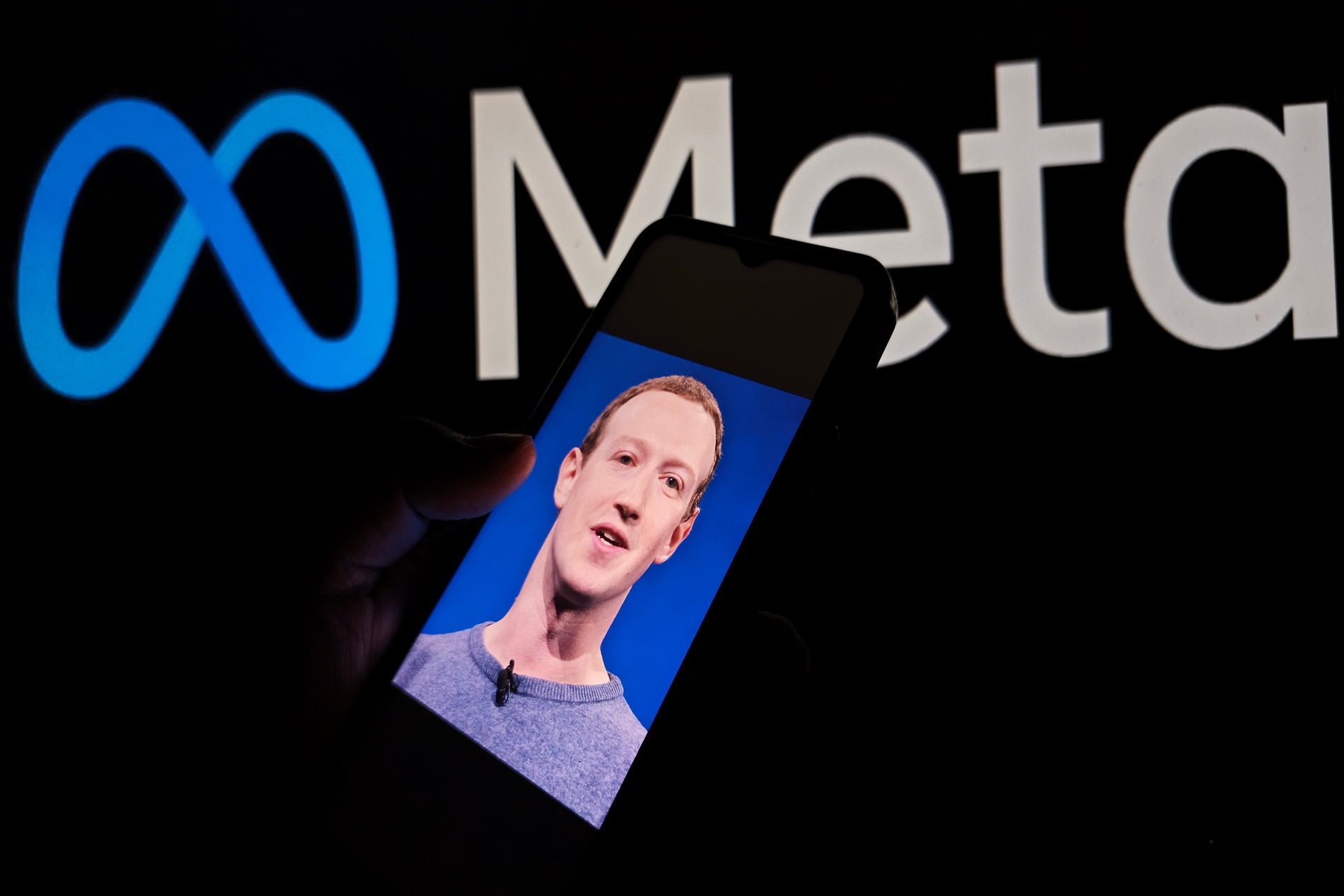
Meta Begins Laying Off Thousands of Employees as It Transforms Around AI
When the notifications hit inboxes at 4 a.m. in Singapore and rippled westward across Europe and into the United States last week, roughly 8,000 Meta employees learned they were no longer part of the company Mark Zuckerberg is reshaping around artificial intelligence.
The message was blunt: in the age of AI, “success isn’t a given.”
What followed for those workers is a story less told than the corporate strategy behind the cost-cutting. They might suffer financial anxiety, emotional whiplash, and a frantic tech job market.
For international employees, the layoffs arrived in the dead of night. Workers in Singapore were among the first to receive notices, hours before their counterparts in California and New York were informed.
Many employees received a cold email, lost their calendar access, and found their systems locked. It was a jarring experience, especially for those who had spent years building the platforms that billions of people use every day.
“It’s always sad to say goodbye to people who have contributed to our mission,” Zuckerberg wrote in his company-wide memo. The sentiment, while genuine in tone, did little to soften the shock for those staring at a locked laptop at the start of a working week.
Engineering and Product Teams Hit Hardest
The layoffs were not even. Engineering and product teams bore the brunt of the restructuring, while teams focused on AI infrastructure, foundation models, and AI monetization were explicitly protected.
Meta’s HR chief, Janelle Gale, noted in an internal memo that managerial positions were also being reduced to “simplify organisational structures and improve execution speed”. It means that some of those let go held senior roles that won’t be replaced.
The result is a workforce that now looks fundamentally flatter, smaller in headcount, but far more concentrated around a single strategic objective.
The Severance: Generous, But Not Without Anxiety
For US-based employees, the severance package is among the more substantial on offer in the current wave of tech layoffs. Workers will receive 16 weeks of base pay, plus 2 additional weeks for each year of service, and 18 months of healthcare coverage through COBRA. Career transition services and immigration support for visa holders were also included.
On paper, it’s a strong package. In practice, the picture is more complicated.
“Massive relief, followed by a heavy dose of financial anxiety,” was how one affected employee described the moment they found out. For those who are the sole breadwinners in their families, even generous severance is a countdown clock.
Employees on H-1B and other work visas face an additional, urgent pressure: a narrow window in which to find new sponsoring employers before their legal right to remain in the country lapses. Meta’s offer of immigration support helps, but the timeline is unforgiving.
The Job Market They’re Walking Into
The 8,000 displaced Meta workers are entering a tech labor market already under strain. More than 110,000 layoffs have been recorded in the technology sector in 2026 alone, as companies redirect capital toward AI and restructure.
Cisco recently announced 4,000 cuts of its own. Amazon, LinkedIn, Intuit, and Pinterest have all shed significant headcount in recent months.
That means a large pool of senior, well-compensated tech talent is simultaneously flooding the market — competing for a shrinking number of traditional software engineering and product roles, even as AI-focused positions remain in demand. The irony is that the very technology displacing these workers is also the one technology companies most urgently want to hire people to build.
Pressure Predated the Pink Slips
For many, the layoffs did not come out of the blue. In the months leading up to May 20, morale inside Meta had been visibly declining. The company had begun tracking employees’ individual AI usage through internal metrics, a surveillance-adjacent policy that reportedly rankled many workers. The Wall Street Journal noted that the program had become a significant source of tension within the company.
“The returns of working in Big Tech have diminished significantly in recent years, probably more so at Meta than anywhere else,” one departing employee told the San Francisco Standard. “It’s become increasingly difficult.”
Several employees had quietly been hoping to be on the list — treating the severance as an exit from a job they’d stayed in largely for the pay and benefits. “I never intended to stay in tech this long,” said one worker, who described spending the days before the announcement updating their résumé and planning a weekend away. “I’d happily take the severance and go do anything else with my life.”
7,000 Who Stay, But in Different Roles
Among those not let go, thousands are navigating their own form of disruption. Approximately 7,000 Meta employees have been reassigned into AI-focused roles, whether or not that was the work they were hired to do. For many, the transition means learning new tools, new workflows, and new performance standards in a field that is itself evolving at breakneck speed.
The message to those who remain is implicit but clear: adapt to AI, or become the next round of redundancies.
What Comes Next
Zuckerberg has pledged there will be no further company-wide layoffs in 2026. While that commitment is welcome, it’s carefully worded, and employees should read the fine print. Meta’s capital expenditure for the year is up to $145 billion, almost entirely directed toward AI infrastructure. The company is building fast, but building leaner.
For the 8,000 who are out, the weeks ahead will involve navigating severance timelines, RSU vesting schedules, WARN period calculations, and a job market reshaped by the same forces that ended their tenure at one of the world’s most valuable companies.
The AI era Zuckerberg described in his memo is arriving. For those caught in its first wave, the transformation is not abstract — it is immediate, personal, and already underway.