Credit: Shutterstock
The conflict is driving energy prices up and shaking global markets in ways everyone feels
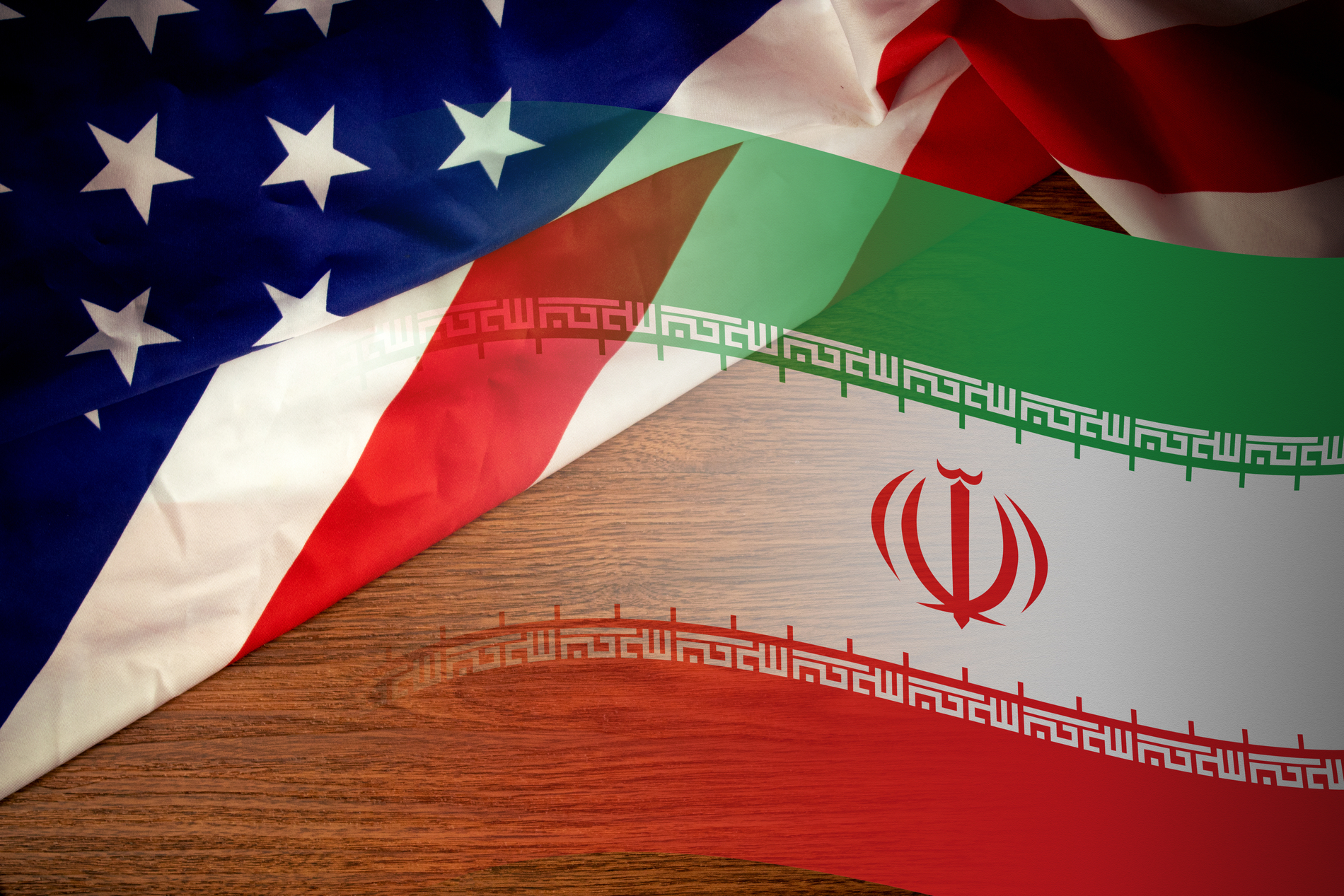
The US-Iran conflict is more than a political story. Its effects are spreading across the world, touching everything from fuel prices to stock markets. People in many countries are already feeling the impact in their daily lives, and economists warn that these challenges could continue for months.
Energy Prices Are Surging
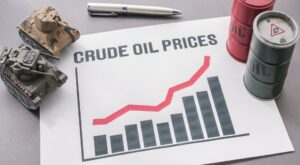
The first and most visible effect has been on energy. Attacks on oil infrastructure and shipping lanes in the Strait of Hormuz, a key route for global oil and gas, have cut supply and sent prices soaring. Brent crude oil went from $72 per barrel before the conflict to over $106 in a few weeks. Liquefied natural gas, or LNG, has risen even more sharply by nearly 60 percent.
Countries that rely heavily on imports from this region, especially in Asia, are struggling to find alternatives. Higher energy costs are now affecting homes, businesses, and governments. Experts warn that if the conflict continues, oil could reach $130 per barrel, keeping prices high for the rest of the year.
Productivity Is Slowing Down
Higher energy costs are making life harder for economies everywhere. Some governments are taking steps to reduce fuel use. In Pakistan, the Philippines, and Thailand, government offices are shifting to shorter workweeks or remote work. In countries like Sri Lanka and Myanmar, strict driving restrictions and fuel rationing have been introduced.
These measures, while necessary, slow down production. Factories make fewer goods, services are delayed, and businesses face rising costs. Shipping and logistics are more expensive, which pushes up prices for everything from groceries to electronics.
Stock Markets Are Volatile
Markets have reacted quickly to the uncertainty. Asian stock markets have taken the biggest hits because of their reliance on energy imports. European markets are also under pressure as high energy costs squeeze industries. The US market has been more resilient but still shows signs of volatility. On the flip side, countries that export energy are seeing some gains because higher prices benefit them.
Inflation and Economic Growth Are at Risk
The surge in energy costs is pushing up prices across the board, raising concerns about inflation. Economists also worry about stagflation, which is when inflation rises while economic growth slows. If the conflict continues for months, Europe could see growth fall to just half a percent. China, although better prepared with diversified energy sources, might still experience slower export demand. The US is expected to grow moderately but may face higher costs for fuel and food.
Travel and Trade Are Facing Challenges
The conflict is not just about energy and markets. Airlines are rerouting flights to avoid dangerous areas, which increases travel time and ticket costs. Shipping companies face higher fuel expenses, making goods more expensive worldwide. Trade delays and higher transportation costs are likely to affect prices for consumers everywhere.
What This Means Going Forward
Even if the war ends soon, its economic effects will continue to be felt. Fuel prices, inflation, and market volatility will likely remain high for months. Businesses and households will need to adjust, and governments may take further measures to manage costs. The US-Iran conflict shows how events in one region can quickly affect the global economy in ways that reach every corner of the world.