Credit: Envato Elements
JPMorgan analysts say Americans are about to get a payday from Uncle Sam, and it could ripple across the entire economy. With tax refunds set to surge in early 2026, households may see the biggest boost in years, an average refund of about $3,743 going out to 110 million people.
A windfall for households
For many families, this means extra breathing room. Refund season often acts like a mini stimulus check, and this time the impact could be bigger than usual. Households facing high rent, credit card debt, or lingering inflation pressures may rush to spend the money on essentials or pay down bills. Either way, the sudden cash injection will change consumer behavior in the short term.
What it means for markets
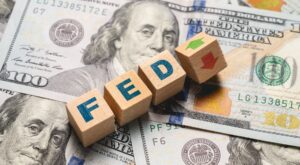
JPMorgan warns the refund wave could shake financial markets. More cash in circulation often leads to higher spending, which might reheat inflation just as the Federal Reserve eyes rate cuts. If that happens, Wall Street could see more volatility as investors bet on whether the Fed sticks with its easing plans or hits pause.
The political backdrop
The timing matters. A refund boom right before summer spending season could boost consumer sentiment at a critical moment for the White House. Critics argue that the scale of these payouts shows how messy tax and fiscal policy have become, with households treating refunds like surprise bonuses rather than the return of their own money.
Bottom line
A record refund season could feel like free cash for millions of Americans, but it won’t come without risks. Families may get short-term relief, while the Fed and markets wrestle with the long-term effects. What looks like a gift today could reignite the inflation fight tomorrow.