Credit: Shutterstock
The Landmark Ruling That Could Change Everything About How America Does Business With the World
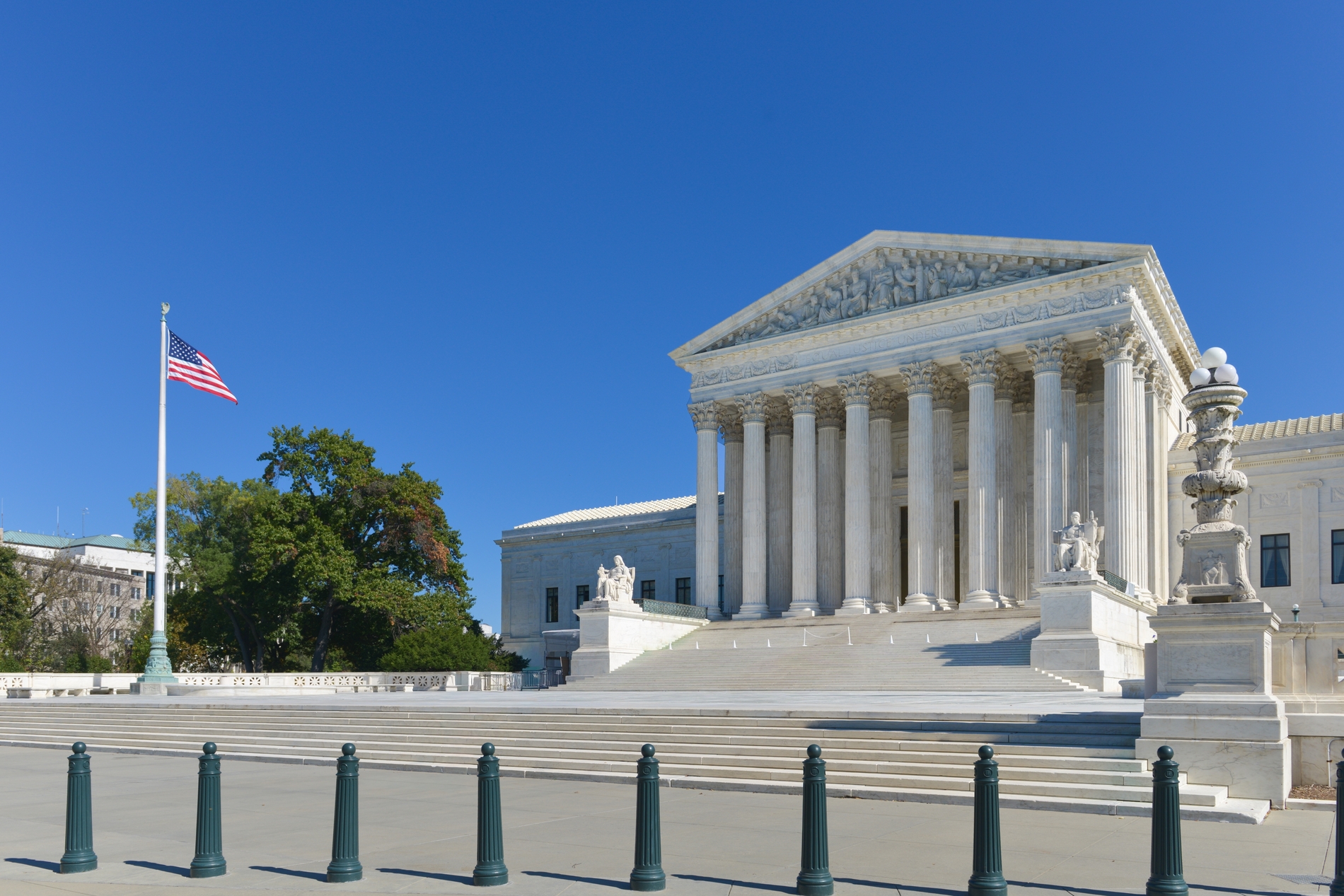
The United States Supreme Court delivered one of its most consequential rulings in recent memory on Friday, February 20, 2026, striking down President Trump’s sweeping global tariffs in a 6-3 decision that instantly rattled financial markets and threw US trade policy into uncharted territory.
The ruling was a stunning legal defeat for Trump, who had spent months defending his use of a 1977 emergency powers law to tax imports from nearly every country in the world. The court made one thing very clear. That law simply does not give the president the power to do that.
So What Law Was At the Center of All This?
Trump had been leaning on something called the International Emergency Economic Powers Act, or IEEPA, to justify his tariffs. His argument was straightforward. America’s enormous trade deficit was a national emergency, and that emergency gave him the authority to act.
Chief Justice John Roberts, writing for the majority, wasn’t buying it. The Constitution gives Congress, not the president, the power to impose tariffs. Allowing Trump’s interpretation to stand would have handed one person unchecked control over US trade policy, and the court wasn’t willing to go there.
What caught many people off guard was who voted against Trump. Three conservative justices, including two he personally appointed, Neil Gorsuch and Amy Coney Barrett, joined all three liberal justices to form the majority. That’s not the result Trump’s team was expecting walking into this.
Trump Fired Back Immediately
Trump did not take the loss quietly. He called the ruling “terrible” and said he was “ashamed” of the justices who ruled against him. He accused the court of being swayed by foreign interests, which is a remarkable thing to say about the nation’s highest court.
But more importantly, he acted fast. Within hours of the ruling, Trump announced a new 10% global tariff using a different legal authority entirely. So while IEEPA tariffs are now off the table, tariffs themselves are very much still alive.
What Comes Next for the $175 Billion That’s Already Been Gathered?
This is the question on a lot of people’s minds right now. The tariffs that were struck down had already pulled in an estimated $175 billion from importers. The court said nothing about how or whether any of that money gets returned. Trump himself admitted the refund process could take years to sort out.
Markets reacted with volatility after the ruling as investors tried to figure out what comes next. Lower prices down the road are possible, but uncertainty about Trump’s next moves kept Wall Street on edge.
Is This the End of the Trade War?
Far from it. Trump’s administration has already signaled it will use every remaining legal tool to keep as many tariffs in place as possible. Those tools are more limited than IEEPA was, but they are real and the White House clearly intends to use them aggressively.
What this ruling does change is the boundaries of presidential power on trade. The president can no longer declare a trade emergency and tax the entire world overnight without congressional backing. That is a significant shift, and its full impact on global trade relationships will take months to fully understand.